
Casement window
The sash swings outwards on side hinges.
Side-hinged uPVC casement windows swing away from the frame. Choose the hinge side around the room and the space outside.
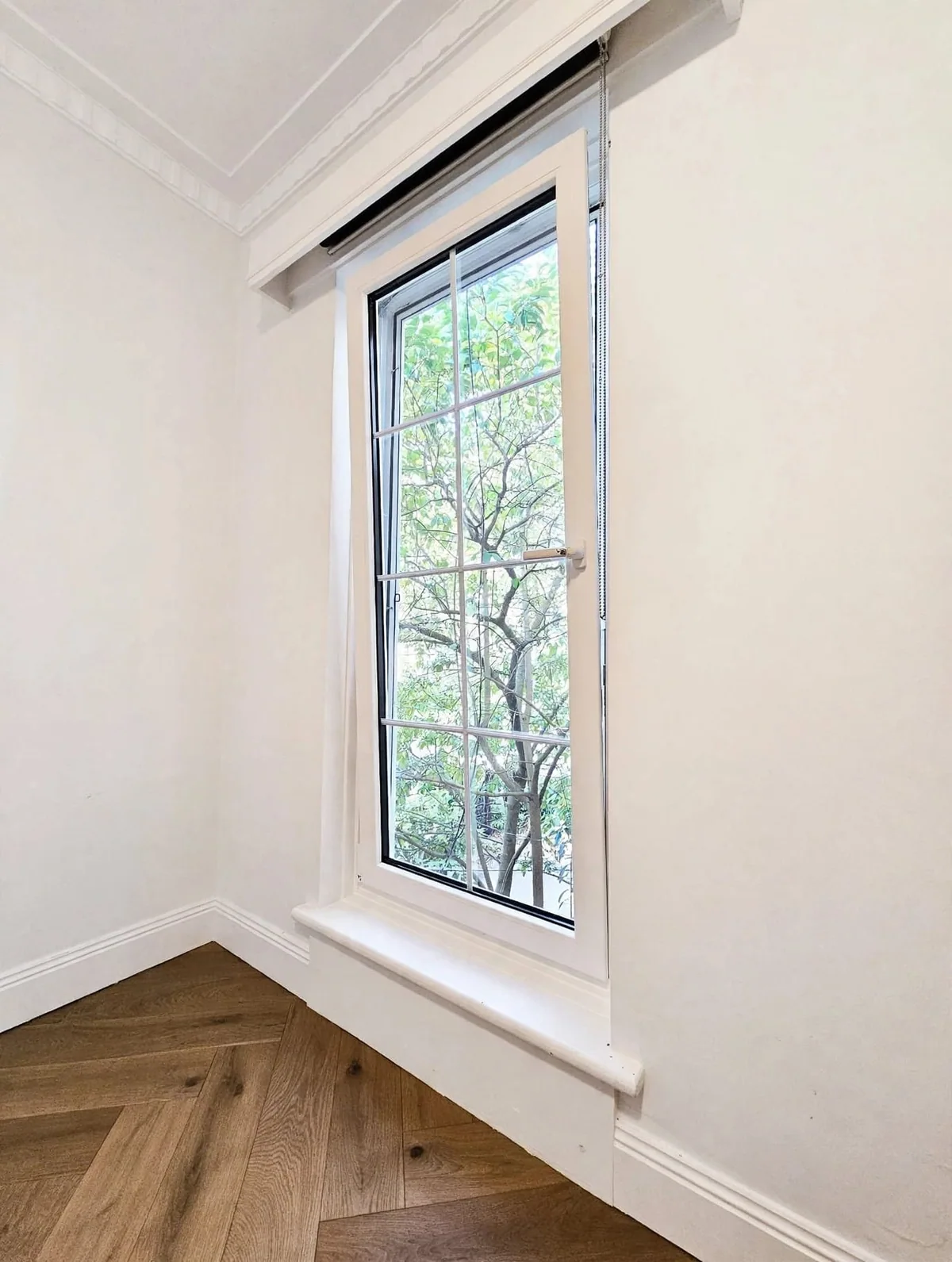
For a homeowner replacing dated windows, casements offer a straightforward way to keep an opening section in the room. They can suit a bedroom, study or living area where the window’s swing has enough clear space.
Unlike a sliding sash, the opening leaf swings away from the frame rather than overlapping the neighbouring glass. You can pair it with fixed panes to keep a larger view while putting the ventilation opening where you can reach it.
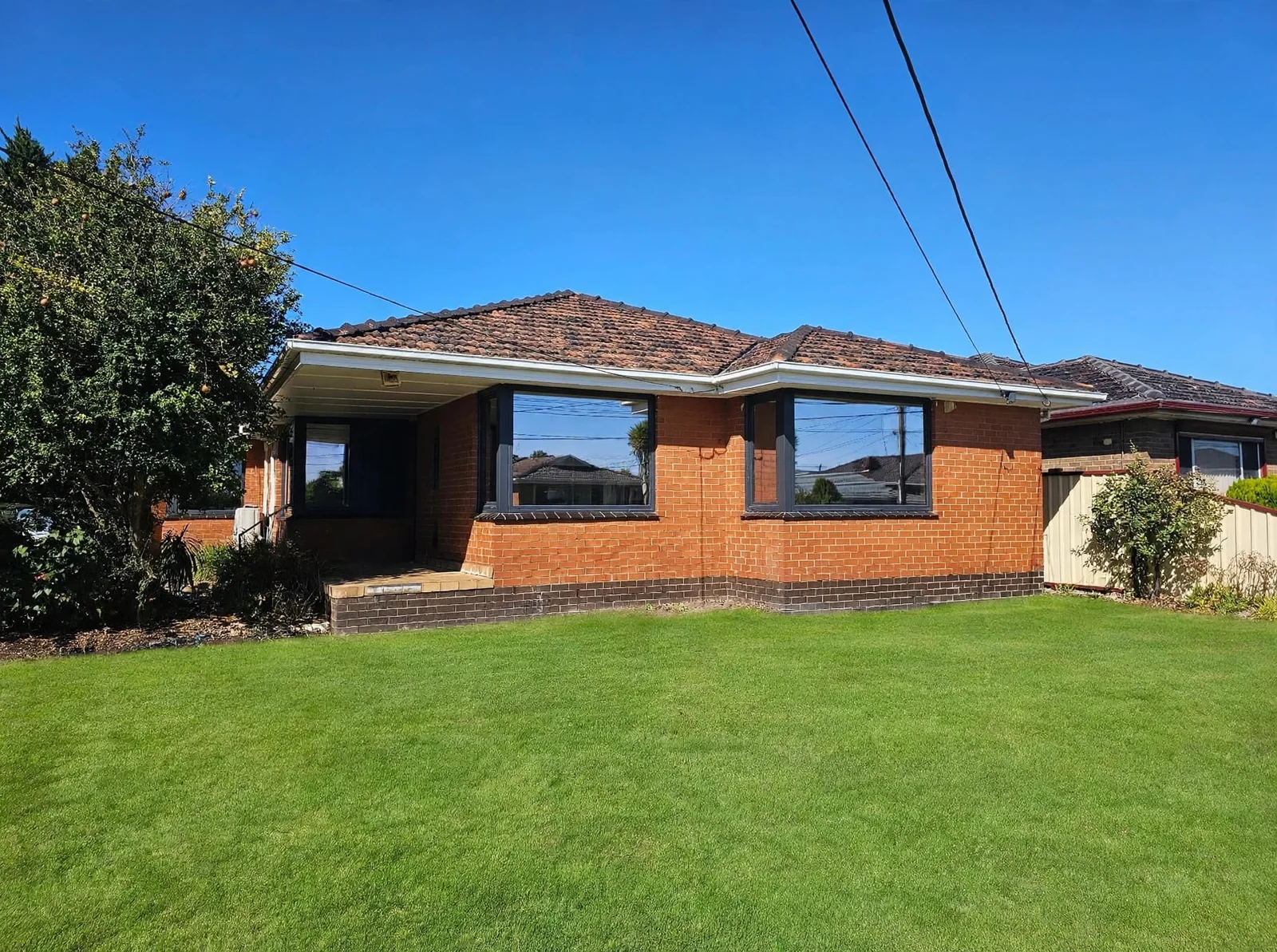
A casement rotates on hinges along one vertical side. The supplier illustration here shows an outward-opening sash. The hinge side determines where the open window sits and should be agreed as part of the layout.
Follow the moving pane and compare the opening arrangements.
The sash swings outwards on side hinges.
Look at the path outside and the approach to the handle inside. A casement over a narrow walkway needs a different arrangement from one facing an open garden. Consider curtains, screens and neighbouring openings before deciding which side is hinged.
Both can have a side-hinged opening. A tilt-and-turn window adds a separate inward tilt mode. Compare the movement, not just the appearance of the closed frame.