
What is the difference?
Single glazing has one pane of glass. A double-glazed unit has two panes separated by a sealed space. The sealed gap slows heat transfer compared with a single pane. The frame and seals also affect the finished window’s performance.
When comparing quotes, look beyond the words “double glazed”. The glass, frame, opening style and seals form a system, and two double-glazed windows can have different performance.
When is replacement worth exploring?
Replacement is worth considering when the existing window loses heat, lets in draughts or is difficult to use. If the frames also need updating, replacing the complete window addresses the glass, frame and opening mechanism in the same job.
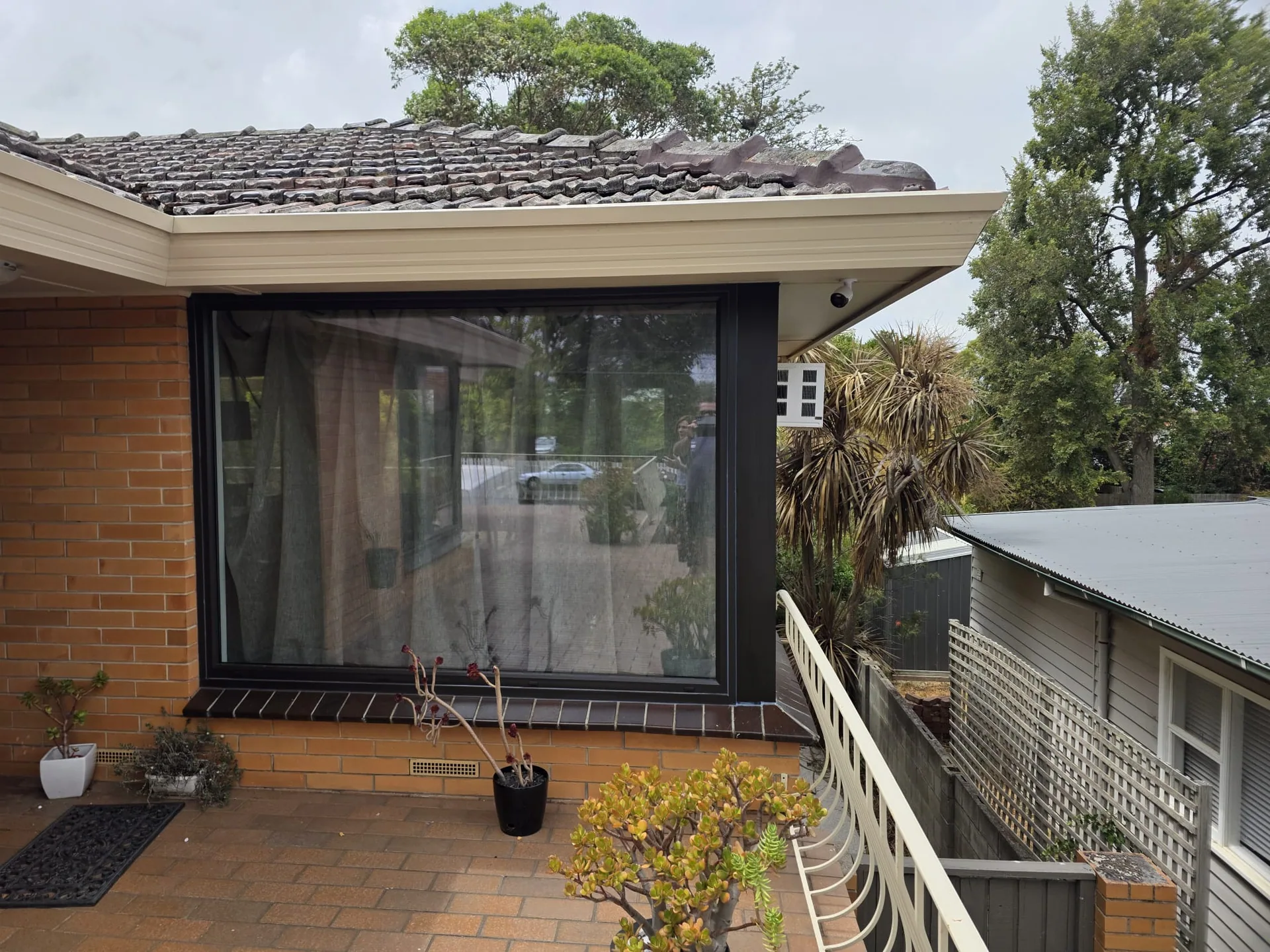
Full replacement also creates an opportunity to update the frame colour, pane divisions and opening movement. On an older brick home, look at how the new frame will meet the sill and the internal trim.
A second pane does not answer every question
For outside noise, ask about the complete window’s acoustic performance. For a room that overheats, consider the sun and external shading. Neither a quiet room nor a comfortable summer follows automatically from adding another pane.
Secondary glazing is a different approach: an additional window is fitted separately from the existing one. If you are comparing it with full replacement, make sure the quotes describe the same problem and the work each option includes.
Compare the whole job
List the openings, frame finish, glass specification and opening direction. Then check removal, disposal, access and finishing. A supply-only quote leaves installation to be priced separately. Check that each quote includes the same work before comparing totals.