
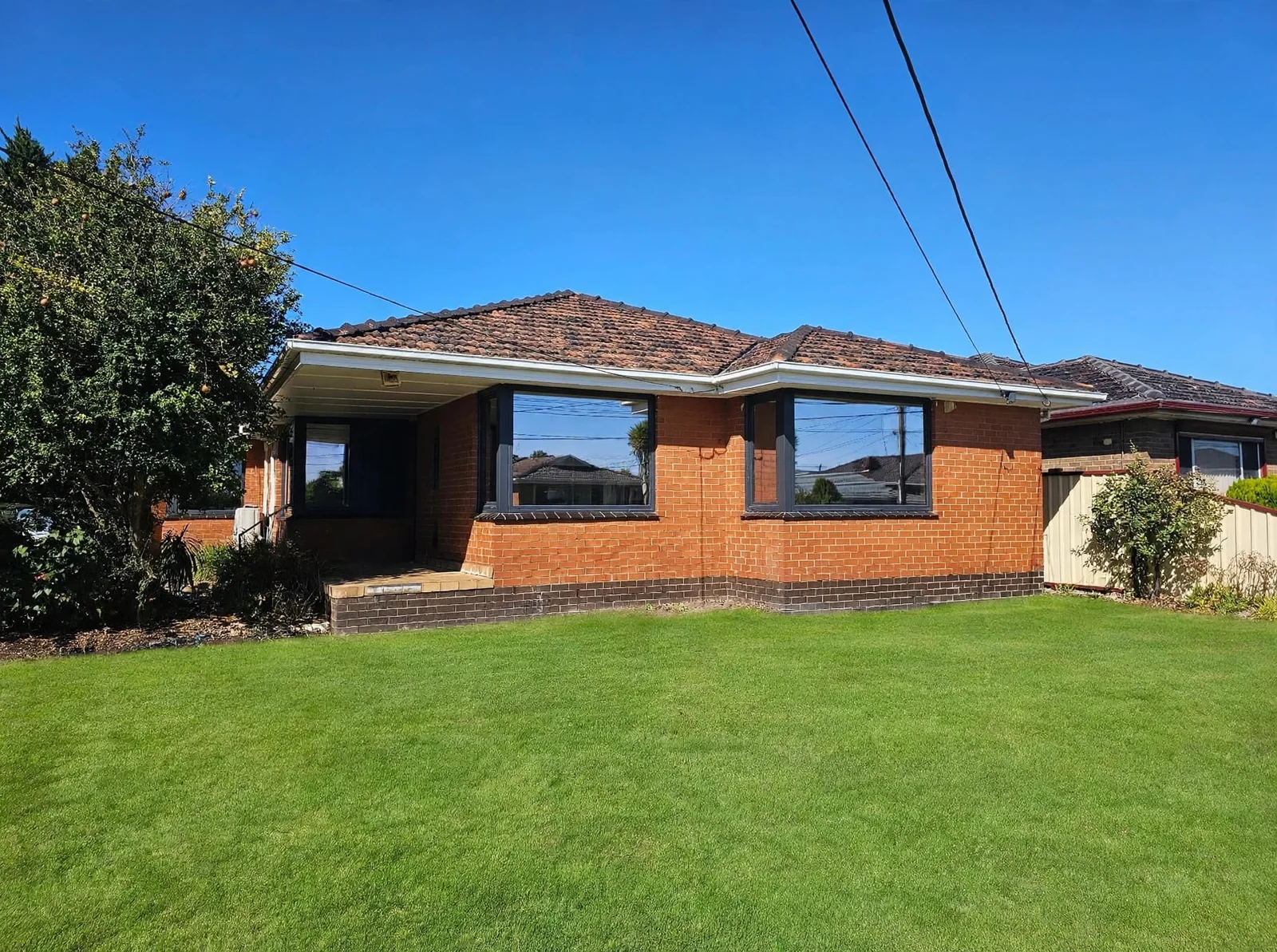
Start with the home you have
An older brick house, a terrace and an apartment can all need better windows, but the replacement work is different. Look at the wall around each frame, access from outside and the details you want to retain.
If you are renovating an original house and a later extension, consider them separately. Matching finishes can bring them together without requiring every opening to work in the same way.
Choose for bedrooms, kitchens and living rooms
For a bedroom, comfort and outside noise may lead the discussion. In a kitchen, reaching the handle and opening around a tap can matter. In a rear living room, the garden view and doorway may come first.
Describe the sun and shade across the day. External shading can be important for sun-facing glass; glazing should be chosen within that wider plan.
Compare movement as well as appearance
Watch how the styles open before deciding. Tilt and turn needs room inside, an awning needs clearance outside, and a slider overlaps part of the opening. A fixed pane keeps the view but does not open.
Include existing blinds, flyscreens and furniture in that comparison. A closed-window photograph cannot explain whether the sash will work behind your dining table.
Make the installation scope easy to compare
List the number of openings and any upper-floor or narrow-access work. Ask how old frames are removed and how the surrounding surfaces will be finished. Discuss disposal and what you need to move before installation.
If the house has identified heritage or shared-building requirements, bring them into the design discussion. Do not finalise the appearance first and check the property requirements later.